Salik Top Up Methods
Road travel in the UAE has become closely connected with digital systems that help drivers move more efficiently through busy cities. In Dubai, one of the best-known examples of this modernization is salik, the electronic toll system used on major highways and important transport routes. Since vehicles pass through toll gates automatically, understanding how road account management works has become a useful topic for residents, commuters, and visitors alike. Conversations about salik recharge routines and salik top up options are now part of broader discussions about smart mobility and transportation convenience across the UAE.
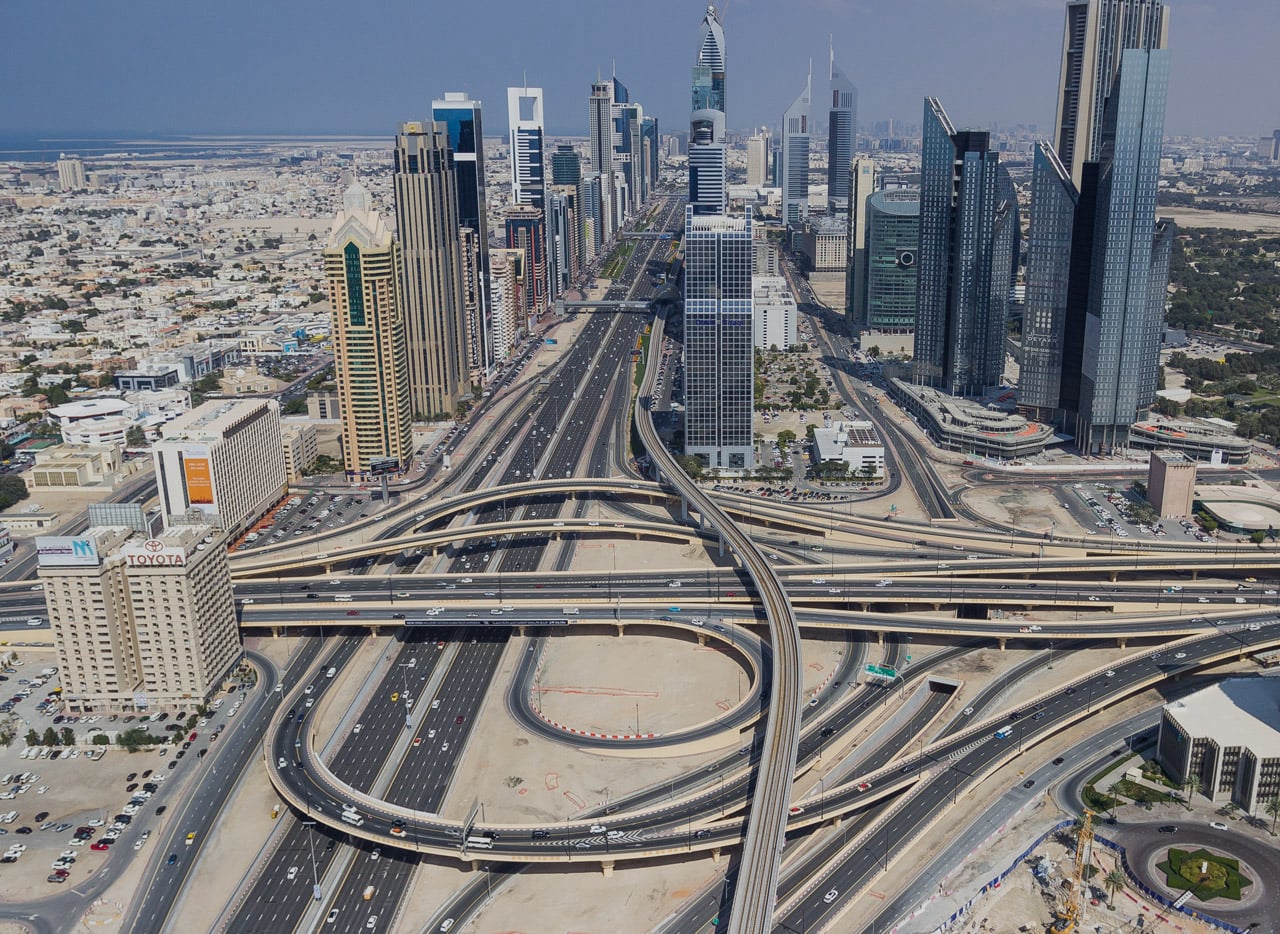
The UAE has invested significantly in road infrastructure, creating extensive highway networks that connect business districts, residential communities, airports, and tourist destinations. Within Dubai, salik helps support traffic flow by reducing the need for traditional toll booths. Drivers can continue their journeys without stopping, while the electronic system records vehicle passage automatically. This model reflects the wider emphasis on digital convenience seen across many sectors in the country, from payments to transportation planning. Because of this, many drivers eventually become interested in understanding how salik recharge works as part of everyday travel preparation.
When people discuss toll roads in Dubai, the original salik product is often mentioned as an important part of the driving experience. The official toll system uses the original Salik tag, a registered electronic sticker associated with a vehicle account. This product enables automated recognition when vehicles pass through designated toll gates. Understanding the role of the original Salik product helps explain why electronic road systems in Dubai operate smoothly and efficiently. Educational information about salik recharge often includes references to this technology because it forms the foundation of the entire toll road experience.
For regular commuters, salik top up awareness becomes increasingly relevant over time. Drivers who travel frequently between neighborhoods, offices, or commercial areas may pass through toll gates multiple times each week. As a result, understanding general salik recharge habits can help create a clearer picture of how people interact with digital road infrastructure. Discussions about salik top up processes also reflect broader trends in modern cities, where mobility increasingly depends on electronic systems rather than traditional manual methods.
Visitors driving in the UAE may also become curious about toll road systems, especially if they rent vehicles during their stay. Dubai highways often provide efficient routes to major attractions, shopping destinations, and business centers. Learning basic information about salik can therefore make travel easier to understand. General explanations about salik recharge practices and salik top up methods help create a more comfortable experience for those unfamiliar with electronic toll systems. Since many countries still rely on manual toll collection, Dubai’s approach often feels modern and efficient to international travelers.
Technology has transformed transportation habits in many parts of the world, and the UAE continues to position itself as a leader in smart mobility. The salik system represents one example of how cities use digital tools to improve traffic organization and reduce congestion. Informational discussions about salik recharge concepts often highlight how these systems support smoother journeys by allowing vehicles to continue moving freely. Likewise, conversations around salik top up routines show how digital account management has become integrated into everyday road use.
Another reason salik receives attention is its role in supporting long-term urban planning. Dubai continues growing rapidly, with expanding residential areas and increasing numbers of vehicles using city roads. Smart transportation systems are therefore important for maintaining efficiency and reducing delays during busy travel hours. Understanding salik recharge ideas and general salik top up habits offers useful insight into how transportation networks adapt to changing urban demands. The original Salik product remains central to this process because it enables electronic toll collection to operate without interruptions.
For many residents, toll roads simply become part of daily routine. Regular commuters often develop familiarity with routes that include salik gates, while occasional drivers learn about them gradually through experience. Discussions about salik recharge planning and salik top up timing are common among people who want to better understand transportation systems or improve awareness of road-related topics. These conversations also contribute to a wider understanding of how digital technologies shape everyday life in modern cities.
Road infrastructure in the UAE reflects a larger vision centered on efficiency, innovation, and mobility. Highways are designed to support fast connections between key destinations while minimizing congestion wherever possible. Within this framework, salik continues playing an important role in organizing movement and supporting smoother traffic conditions. Informational content about salik recharge methods and salik top up practices often appeals to readers interested in smart transportation, urban development, and digital systems that influence daily travel experiences.
Understanding road systems in the UAE therefore involves more than recognizing toll gates or highway signs. It also means learning how technologies such as salik help support transportation goals across a rapidly growing region. By exploring topics related to salik recharge, salik top up routines, and the original Salik product, readers gain valuable insight into how Dubai and the wider UAE continue building transportation systems designed for convenience, efficiency, and long-term urban growth.