Smart Ways For Salik Top Up
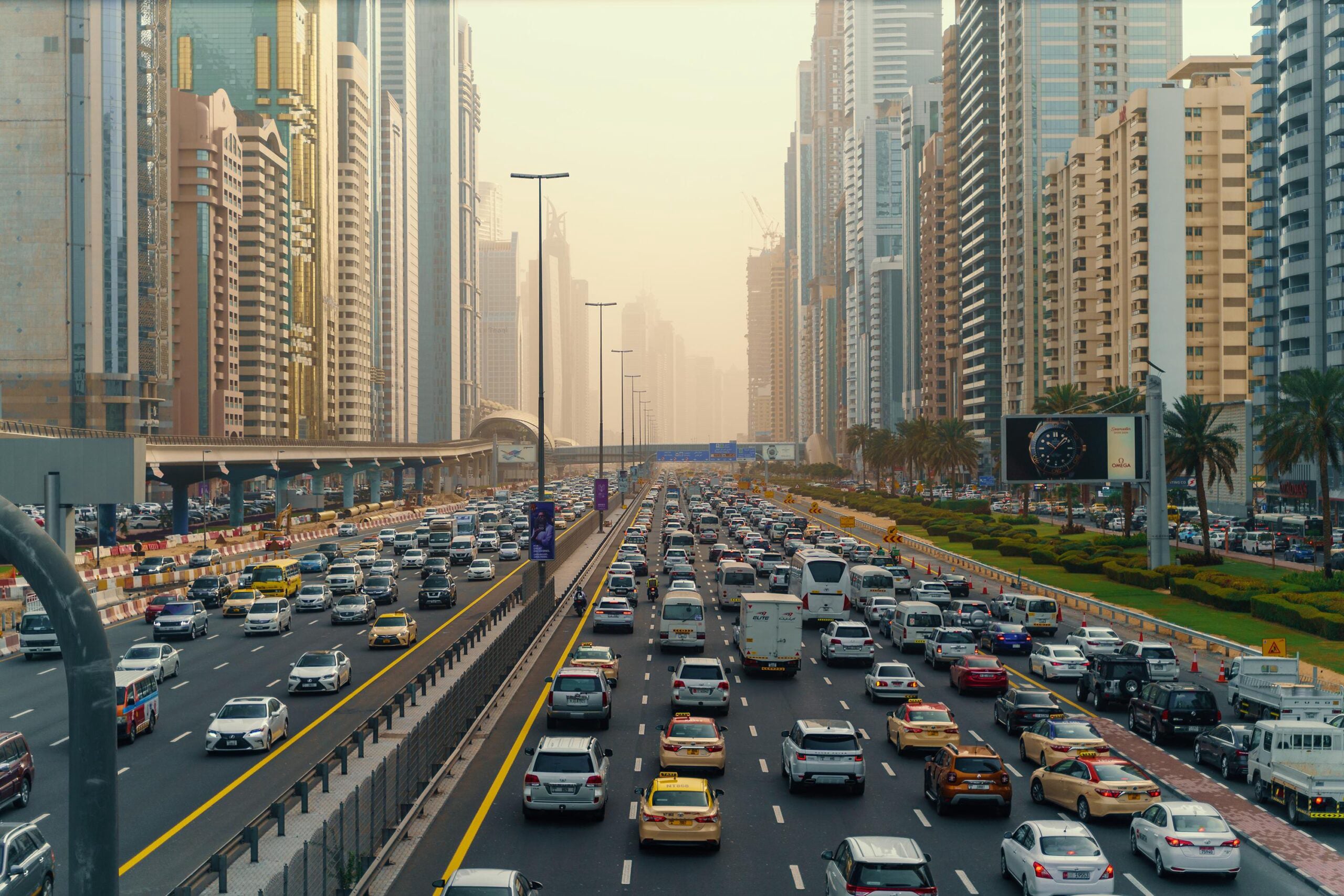
Dubai’s transportation system is often recognized for its modern design, wide highways, and advanced digital infrastructure. One of the most discussed parts of daily driving in the city is salik, the electronic toll system used to support traffic movement across major roads. As people become more familiar with toll routes, questions naturally arise about account management, salik recharge routines, and the role of salik top up processes within everyday travel. Understanding these ideas can help residents and visitors better appreciate how Dubai approaches road organization and urban mobility.
The salik system was introduced as part of Dubai’s effort to reduce congestion and improve travel efficiency on busy highways. Instead of traditional toll booths where drivers stop to pay manually, vehicles pass through designated gates while electronic technology automatically records movement. This approach creates a smoother driving experience by minimizing interruptions and helping traffic continue flowing more naturally. Because the system depends on electronic account management, discussions about salik recharge are often linked with broader conversations about smart transportation technologies.
For many drivers, learning about salik top up ideas becomes part of understanding how digital toll systems fit into modern city life. Since Dubai is known for adopting technology across many public services, transportation reflects the same preference for efficiency and automation. The concept behind salik top up practices highlights how drivers interact with digital tools designed to simplify movement through the city. Whether commuting daily or driving occasionally, people often become curious about how electronic systems support travel routines.
One reason salik continues to attract attention is its role in shaping driving habits. Many residents plan journeys around toll roads depending on their schedules, destinations, or preferred routes. Some drivers choose highways with salik gates because they offer quicker access to important parts of the city, while others explore alternative roads depending on traffic conditions. In both cases, awareness of salik recharge topics and salik top up routines often becomes part of a broader understanding of road planning in Dubai.
The city’s rapid growth has increased interest in transportation efficiency over recent years. Dubai continues expanding residential communities, commercial districts, and tourism destinations, which places greater pressure on infrastructure systems. Within this changing environment, salik plays an important role in supporting organized traffic movement. Informational discussions about salik recharge methods often help readers better understand how digital mobility systems adapt to growing urban demands. Likewise, conversations about salik top up practices provide useful context for how electronic road networks function behind the scenes.
Visitors driving in Dubai for the first time may initially find electronic toll roads unfamiliar. However, understanding the basics of salik often helps create a more relaxed travel experience. Travelers who rent vehicles frequently encounter toll roads while moving between airports, hotels, shopping areas, and attractions. Reading about salik recharge concepts and general salik top up routines may offer useful background knowledge for people who are not accustomed to digital toll systems in their home countries.
Residents, on the other hand, often see salik as part of ordinary daily travel. Regular commuters may pass through toll gates multiple times each week without giving the process much thought. Still, many people remain interested in transportation topics and often look for educational information about salik recharge systems to better understand how these technologies operate. Discussions involving salik top up habits also appear frequently among drivers who prefer staying informed about practical road-related topics in Dubai.
Technology continues influencing how people experience urban transportation around the world, and Dubai offers a strong example of this trend. Road monitoring systems, smart navigation tools, and electronic toll collection all contribute to an environment where movement becomes increasingly connected. Salik exists within this wider network of digital mobility solutions, reflecting how cities adapt to growing populations and changing travel patterns. Informational articles about salik recharge ideas and salik top up practices often reveal how technology quietly shapes everyday experiences on the road.
Another interesting aspect of salik is how it connects with broader discussions about city planning. Transportation systems influence where people live, how they commute, and how efficiently cities function overall. Dubai’s investment in highways and smart road infrastructure demonstrates a commitment to long-term mobility planning. Within this context, salik serves as more than just a toll system. It becomes part of a larger strategy designed to support smoother traffic conditions and better travel experiences for residents and visitors alike. Understanding salik recharge routines and salik top up awareness can therefore offer insight into how transportation systems evolve alongside modern urban development.
For readers interested in roads, infrastructure, or smart city technologies, learning about salik opens the door to broader conversations about mobility and planning. Even simple information about salik recharge concepts can make toll roads easier to understand, while discussions about salik top up habits help explain the relationship between digital systems and everyday driving behavior. These topics remain especially relevant as Dubai continues expanding and adapting its transportation network to meet the needs of a growing and internationally connected population.
In many ways, salik represents the changing nature of travel in modern cities. Drivers no longer rely only on physical payment systems or manual checkpoints. Instead, digital technologies increasingly support movement in ways that feel seamless and efficient. Exploring salik recharge topics and learning about salik top up routines provides useful context for understanding how Dubai combines technology, infrastructure, and urban planning into a transportation system built for speed, convenience, and long-term growth.