Understanding Dubai Salik Roads
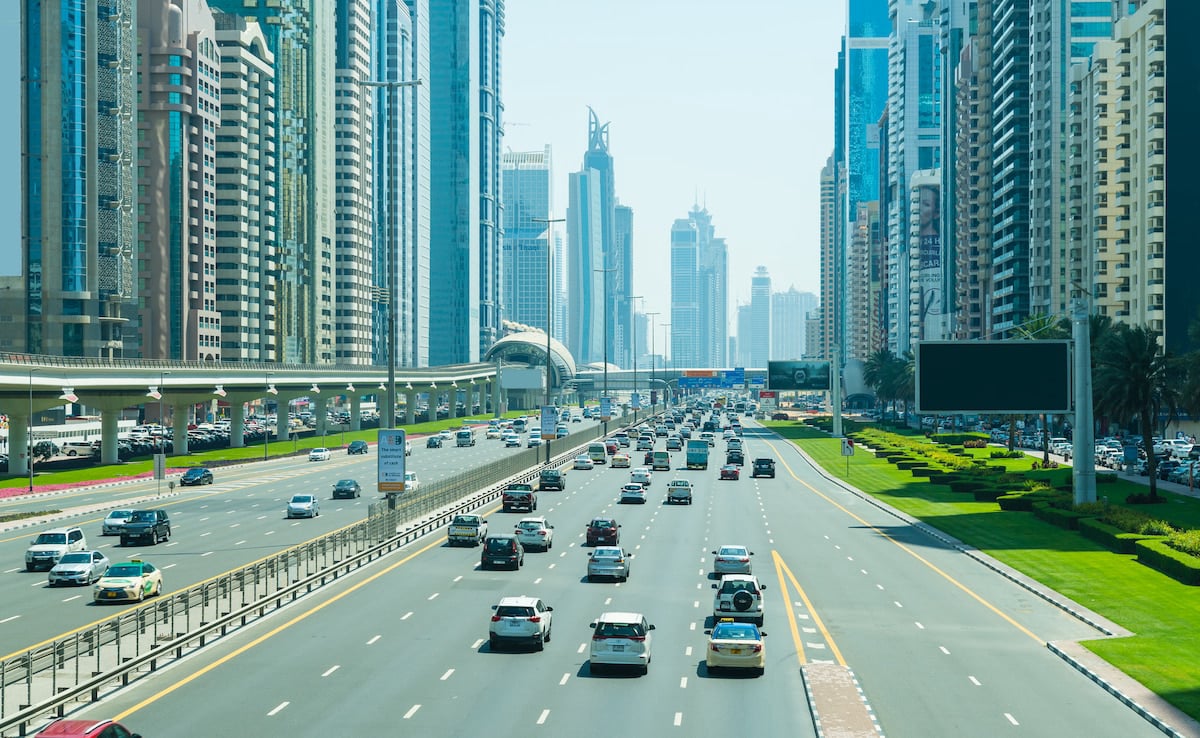
Dubai is known for its modern road infrastructure, advanced transportation systems, and carefully planned urban mobility. One important part of everyday driving in the city is the toll road network operated through salik technology. For residents, tourists, and newcomers, understanding how these roads function can make travel across the city feel more predictable and organized. The salik system was introduced to help improve traffic flow and reduce congestion on major highways, creating a smoother driving experience for people moving through different districts of Dubai.
The concept behind salik is based on electronic toll collection. Instead of traditional toll booths where drivers stop to make payments, vehicles move freely through toll gates while an automated system records passage electronically. This approach helps reduce delays and supports continuous traffic movement on some of the busiest routes in the city. Drivers often become familiar with the locations of toll gates over time, especially when commuting regularly between residential and business areas. Since Dubai continues to expand its infrastructure, conversations about salik remain relevant for many road users interested in transportation habits and urban planning.
A common topic among drivers is how to manage account balances connected to the toll system. General discussions about salik recharge often appear in educational guides because maintaining sufficient balance helps support uninterrupted travel. Understanding the idea behind a salik recharge can also provide insight into how digital transportation systems are integrated into daily routines in Dubai. Many drivers prefer learning about these processes in advance so they can become more comfortable navigating city roads.
Another frequently discussed aspect of toll roads is the concept of salik top up practices. Since the toll system operates electronically, drivers often explore different ways people complete a salik top up as part of normal travel preparation. While road usage patterns vary from person to person, the broader idea of managing toll-related accounts reflects the increasing role of technology within urban mobility systems. The combination of digital access and automated road management has become a defining feature of transportation in Dubai.
The placement of toll gates plays an important role in traffic distribution. Many salik points are located on major highways and bridges that connect highly active areas of the city. This structure helps regulate traffic movement and encourages alternative route planning during peak travel hours. Drivers often adapt their habits by selecting roads that fit their schedules or destinations more effectively. Because of this, salik is often discussed not only as a toll system but also as part of a wider transportation strategy designed to support city efficiency.
Dubai’s transportation environment continues to evolve alongside population growth and urban expansion. Roads are regularly upgraded, new infrastructure projects are introduced, and digital mobility solutions become increasingly visible. Within this broader context, salik remains an example of how technology can influence traffic organization. Informational discussions about salik recharge routines and salik top up habits often reflect broader changes in how people interact with smart transportation systems in everyday life.
For visitors arriving in Dubai, toll roads may initially seem unfamiliar. However, learning basic information about salik can help create a more comfortable travel experience. Visitors who rent vehicles or explore the city independently often take interest in understanding how toll routes work and why electronic systems are preferred. Reading neutral explanations about salik recharge ideas and the general purpose of salik top up processes may help simplify transportation planning without overwhelming first-time drivers with unnecessary technical details.
Residents, meanwhile, often view toll roads as a normal part of urban life. Regular commuters may pass through salik gates multiple times each week while traveling between work, shopping areas, or recreational destinations. Over time, familiarity with the system becomes part of daily routine. Discussions about salik recharge approaches and salik top up timing often emerge naturally among drivers who prefer to stay informed about transportation practices in the city.
The wider significance of salik extends beyond toll collection itself. It represents a broader shift toward digitally supported mobility and modern urban management. Dubai has consistently invested in smart infrastructure solutions designed to improve quality of life, reduce congestion, and support efficient transportation. From traffic monitoring to intelligent road planning, systems connected to salik contribute to a transportation model that reflects the city’s long-term development goals.
Understanding Dubai toll roads therefore involves more than simply recognizing where gates are located. It also includes learning how transportation systems influence daily movement, city planning, and commuter experiences. Topics related to salik recharge and salik top up frequently appear in educational discussions because they are part of understanding how drivers interact with this evolving network. Whether someone is a resident navigating busy highways or a visitor exploring Dubai for the first time, learning about salik offers useful insight into one of the city’s most recognizable transportation systems.